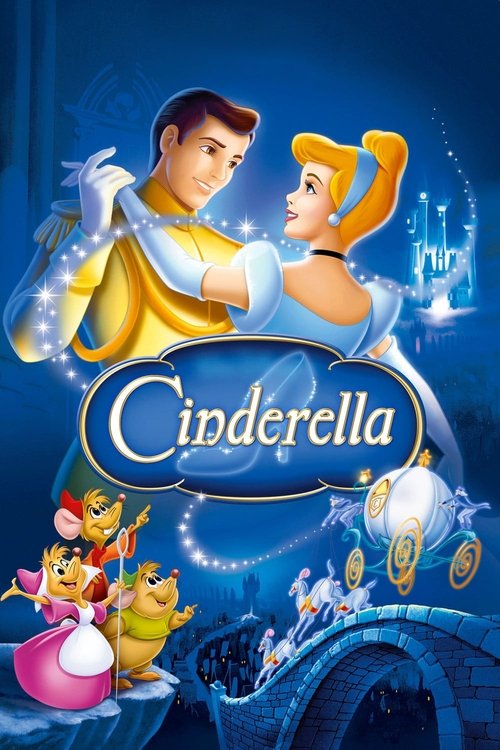
Cinderella
Threshold Analysis
Concerns
- Fairy Godmother uses magic wand and incantation — fairy-tale magic that parents with strict convictions about any magic depictions should discuss with children
- Lady Tremaine is a psychologically cruel villain — her emotional abuse of Cinderella and the dress-tearing scene may be distressing for very young or sensitive children
- The story could be read as promoting a passive 'wait to be rescued' mentality, though Cinderella does show agency and resilience throughout
Positives
- Cinderella models extraordinary kindness, patience, humility, and grace under suffering — she does not repay evil with evil
- Strong theme of hope and faith that goodness will ultimately be rewarded
- Loyal friendships between Cinderella and the mice demonstrate sacrificial love and mutual care
- Completely clean content — no profanity, no sexual content, no blasphemy
- Affirms traditional marriage and romantic innocence
- Teaches that inner beauty and character matter more than outward appearance or social status
- Hard work is shown positively — Cinderella works diligently without complaint
- Evil and cruelty are clearly portrayed as wrong and are not rewarded
Content Flags
Mild cartoon slapstick throughout: Lucifer the cat chases mice repeatedly, trapping them under cups and bowls. Jaq and Gus fight with Lucifer in several scenes. The stepsisters tear Cinderella's dress apart in a cruel scene that may upset younger children. Bruno the dog chases Lucifer out a window at the climax. The King throws objects and swings a sword at the Grand Duke in comedic anger. No one is seriously harmed.
The Fairy Godmother uses magic to transform a pumpkin into a coach, mice into horses, a horse into a coachman, a dog into a footman, and Cinderella's rags into a ball gown. She waves a wand and speaks 'Bibbidi-Bobbidi-Boo.' This is classic fairy-tale magic presented as benevolent and whimsical, not occult ritual, spiritism, or dark arts. It functions more as a metaphor for Providence/divine intervention — help arriving at the moment of deepest need. Still, parents who are cautious about any depiction of magic should be aware.
The King and Grand Duke drink from goblets during the ball scene, presumably wine. Brief and incidental. No drunkenness.
Strong positive values throughout. Cinderella demonstrates extraordinary kindness, patience, perseverance, humility, and hope in the face of cruelty and injustice. She is gracious to those below her (the mice) and does not return evil for evil against her stepfamily. She maintains faith that dreams and goodness will be rewarded. The film opens with a narrator stating that Cinderella remained 'ever gentle and kind' despite her mistreatment. Her character models endurance under suffering (James 1:2-4) and kindness even to enemies. The mice demonstrate loyalty and sacrificial friendship. The story affirms that goodness is ultimately vindicated.
Overview
Cinderella has faith her dreams of a better life will come true. With help from her loyal mice friends and a wave of her Fairy Godmother's wand, Cinderella's rags are magically turned into a glorious gown and off she goes to the Royal Ball. But when the clock strikes midnight, the spell is broken, leaving a single glass slipper... the only key to the ultimate fairy-tale ending!