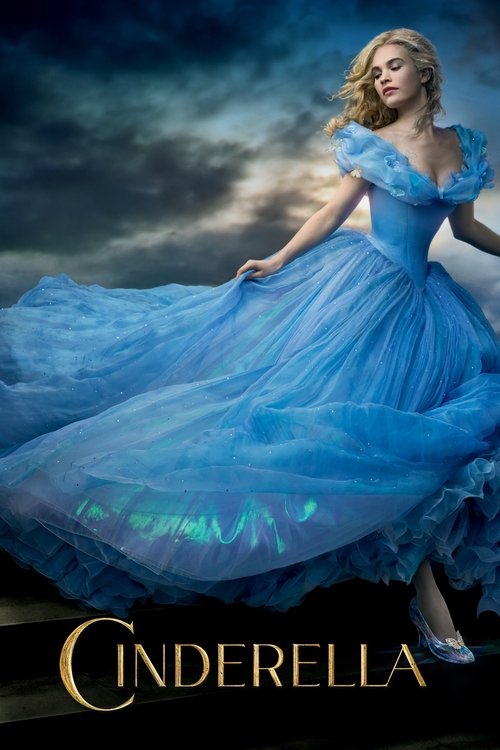
Cinderella
Threshold Analysis
Concerns
- Both of Ella's parents die (mother early on, father later) — shown gently but could be emotionally heavy for young children
- Stepmother's emotional cruelty is realistic and may be distressing for children who have experienced similar treatment
- Fairy-tale magic is present (Fairy Godmother's transformations) — families who avoid all magic depictions should be aware
Positives
- 'Have courage and be kind' is the film's moral center — a deeply virtuous ethic
- Ella explicitly forgives her stepmother in the climactic scene — a powerful picture of grace
- Romantic love is portrayed as chaste, respectful, and based on character rather than lust or appearance
- Honesty and integrity are valued — Ella refuses to lie about who she is
- Compassion for animals and those considered 'lesser' is modeled beautifully
- Parents are honored — Ella treasures her parents' memory and their moral guidance
- Goodness is portrayed as strength, not weakness — countering cultural cynicism
- No revenge narrative — Ella's victory comes through virtue, not violence or cunning
Content Flags
Emotional cruelty is the primary 'violence' — the stepmother (Cate Blanchett) is psychologically abusive, demeans Ella, banishes her to the attic, and destroys her late mother's dress. Ella's father dies off-screen (illness). Her mother dies early in the film (illness, shown gently). A brief scene of a hunt in the woods where Ella asks the Prince not to pursue a stag. Some mild peril during the chase scene as midnight approaches. A lizard is comically startled. Nothing graphic.
The Fairy Godmother (Helena Bonham Carter) uses magic to transform a pumpkin into a carriage, mice into horses, lizards into footmen, and Ella's torn dress into the iconic ball gown. Glass slippers are created magically. This is classic fairy-tale magic presented whimsically — it is not dark, occultic, or presented as a power system to be pursued. The Fairy Godmother is a benevolent, quirky figure. Parents who avoid all depictions of magic should be aware, but this is among the most innocent portrayals in cinema.
Wine and champagne are present at the royal ball and in household scenes, as is typical of period settings. No drunkenness or abuse of alcohol.
Exceptionally strong. The film's central moral — 'Have courage and be kind' — is repeated as the dying mother's legacy and becomes the guiding principle of Ella's life. Ella chooses forgiveness over bitterness, even forgiving her stepmother in the climactic scene ('I forgive you'). The film celebrates honesty, humility, integrity, compassion for the powerless (including animals), faithfulness in suffering, and love that sees character over status. The Prince values Ella for who she is, not her appearance or rank. Family bonds (parents and children) are portrayed as sacred and deeply meaningful. Ella's goodness is not weakness — it is quiet, resilient strength.
Overview
When her father unexpectedly passes away, young Ella finds herself at the mercy of her cruel stepmother and her daughters. Never one to give up hope, Ella's fortunes begin to change after meeting a dashing stranger in the woods.