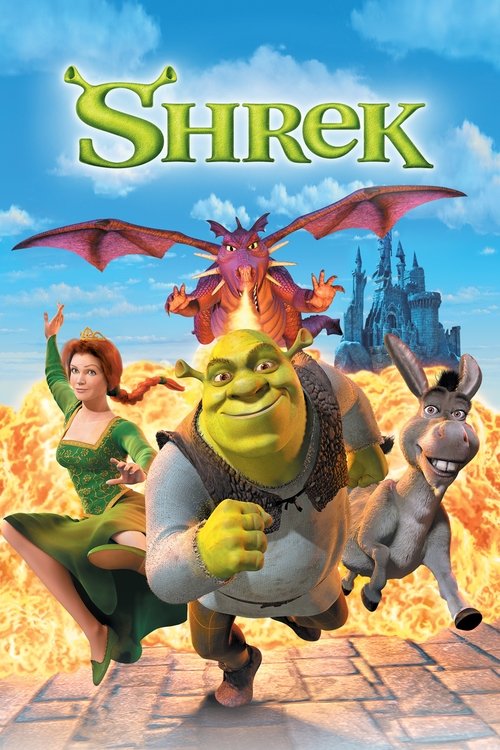
Shrek
Threshold Analysis
Concerns
- Adult innuendos throughout, including a sexual joke involving Lord Farquaad in bed
- Pervasive crude/toilet humor that normalizes coarseness (Ephesians 5:4 warns against 'coarse joking')
- The 'compensating' phallic joke aimed squarely at adult audiences
- Fairy tale magic is central to the plot — curses, spells, magic mirrors
- Strongly irreverent tone that mocks sincerity, authority, and tradition throughout
- Self-acceptance worldview with no acknowledgment of God or higher moral authority
- A bird literally explodes and is cooked for breakfast — played for laughs, which may desensitize younger viewers
Positives
- Strong theme that people should not be judged by outward appearance
- Fiona chooses authentic love over vanity and superficial beauty
- Friendship and loyalty between Shrek and Donkey are genuine and affirming
- Shrek learns to be vulnerable, trust others, and let people in — overcoming isolation
- The villain is clearly villainous — cruelty, vanity, and selfishness are shown as wrong
- Entertaining and well-crafted storytelling that families can enjoy together
Content Flags
Several uses of 'damn,' 'hell,' and 'ass' (the latter played as a double entendre with Donkey). Crude humor throughout including references to 'compensating for something' (regarding Lord Farquaad's tall castle), toilet humor (Shrek in an outhouse, ogre ear wax candles, onion belch, fart jokes in a mud bath). The word 'ass' is used multiple times as both the animal reference and a mild profanity.
Cartoon/slapstick violence throughout. Princess Fiona fights Robin Hood's men in a Matrix-style martial arts sequence, with exaggerated but bloodless combat. A bird explodes after Fiona sings a high note (eggs remain and she cooks them). Dragon chases characters through a castle. Fiona headbutts a man. Wrestling-style fight at the end. A character is eaten by a dragon (played for comedy). Overall tone is comedic rather than frightening, though some scenes may startle very young children.
Several innuendos aimed at adults: the 'compensating' joke about Farquaad's castle; Lord Farquaad is shown in bed watching Princess Fiona in his magic mirror, and his blanket briefly rises (implied arousal — brief but clearly intentional adult humor); Robin Hood sings suggestively about Fiona; Shrek and Fiona's romance includes kissing. Donkey and the Dragon develop a romantic relationship (played for laughs). A reference to 'Do you think he's compensating for something?' is clearly a phallic joke.
Fairy tale magic is central to the plot — a magic mirror, a curse/spell on Princess Fiona that transforms her into an ogre at night, 'true love's kiss' breaks the spell. These are standard fairy tale tropes rather than occult empowerment, but magic is clearly present and drives the plot.
A brief scene with characters drinking ale/beer. Robin Hood and his men appear to drink. Minimal overall.
Fiona is briefly shown bathing behind a waterfall (nothing explicit shown, silhouette only). Shrek is shown bathing in mud. No actual nudity but the scenes are played for humor.
A few casual uses of 'Oh my God' or similar exclamations. A church/wedding scene is played primarily for comedy. The film does not mock God directly, but faith and church are not treated with reverence — the wedding officiant is portrayed comically.
The film teaches that outward beauty is not what matters — 'true beauty' comes from within. Shrek learns to open up, trust others, and love. Fiona chooses love over superficial beauty. Loyalty and friendship (Shrek and Donkey) are affirmed. However, these positive themes are delivered through a worldview of radical self-acceptance ('I'm an ogre, deal with it') that borders on pride rather than humility. The film also has an anti-authority streak — mocking traditional fairy tales, royalty, and convention.
Overview
It ain't easy bein' green -- especially if you're a likable (albeit smelly) ogre named Shrek. On a mission to retrieve a gorgeous princess from the clutches of a fire-breathing dragon, Shrek teams up with an unlikely compatriot -- a wisecracking donkey.