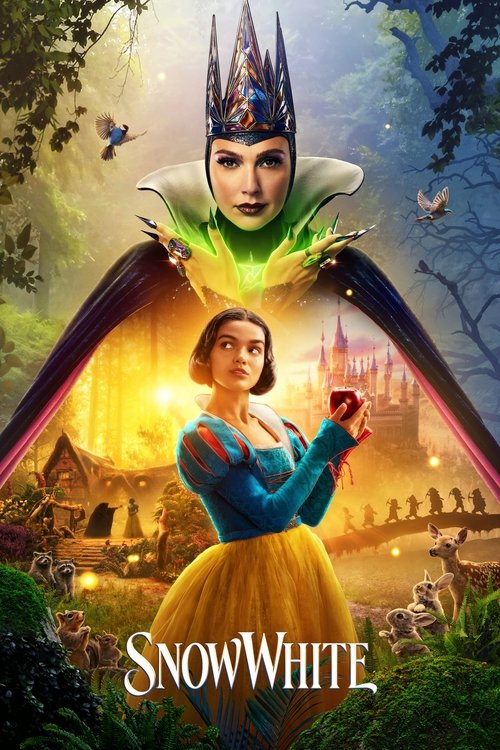
Snow White
Threshold Analysis
Concerns
- Magic and occult elements are central to the plot — dark magic (Evil Queen) and 'good' magic (dwarves, enchanted elements) are both normalized without any Biblical framework
- God is entirely absent from the moral universe of the film; goodness is self-generated, not God-given
- Modern feminist reinterpretation emphasizes female self-empowerment and independence over complementary Biblical gender roles and reliance on God
- The Magic Mirror functions as a supernatural oracle/spiritual entity consulted for guidance — a practice condemned in Scripture (Deuteronomy 18:10-12)
- Some scenes (dark forest, Queen's threats, magical transformations, poisoned apple sequence) may be genuinely frightening for young children
- The story teaches children they are their own saviors — a subtle but spiritually significant message that contradicts the Gospel
Positives
- Strong themes of inner beauty being more valuable than outward appearance (1 Samuel 16:7 parallel)
- Courage and standing up against tyranny and injustice
- Kindness, compassion, and generosity are presented as Snow White's greatest strengths
- Friendship and community are celebrated — the bond between Snow White and the dwarves
- Evil is clearly shown as evil and has consequences — the Queen's vanity and cruelty are not celebrated
- Loyalty and self-sacrifice among the protagonists
Content Flags
Some mild exclamatory language expected in a PG-rated Disney live-action film. Likely a few uses of 'hell,' 'damn,' or similar mild words. I do not have confirmed specific counts from review sources, so parents should be aware this is estimated based on typical Disney PG content.
The Evil Queen threatens Snow White's life and sends a huntsman to kill her. There are chase sequences through dark woods, perilous situations, and battle/confrontation scenes as Snow White and allies attempt to reclaim the kingdom. The Queen's magic is used aggressively. Some scenes may be intense or frightening for younger children, including the Queen's transformation sequences and dark forest imagery. A climactic battle sequence involves sword fighting and magical attacks.
A romantic subplot between Snow White and Jonathan (the bandit character) includes kissing scenes. The 'true love's kiss' trope is present. The Evil Queen's costumes are designed to emphasize her vanity and allure. Nothing explicit, but romantic elements are present throughout.
This is a significant area of concern. The Evil Queen practices dark magic — including her iconic magic mirror, transformation spells, and the creation of the poisoned apple. Magic is central to the plot. The seven dwarves are described as 'magical.' The Queen consults a supernatural entity (the Magic Mirror) for guidance and power. While the Queen's magic is portrayed as villainous, the dwarves' magic and other 'good' magic are portrayed positively, normalizing supernatural power outside of God as a force for good. There is no distinction made between the source of 'good' and 'evil' magic — it is all presented as natural forces to be wielded.
The poisoned apple is a central plot device. There may be brief scenes of characters drinking in a tavern or celebratory setting. No drug use reported.
Possible casual exclamatory uses of 'Oh my God' or similar. No direct mockery of Christianity, but God is entirely absent from the moral framework of the story. I cannot confirm specific instances without review sources.
The film promotes themes of inner beauty over outer beauty, courage in the face of tyranny, friendship, loyalty, and standing up for the oppressed. Snow White's kindness and compassion are presented as her defining strengths. There are themes of community and self-sacrifice. However, the moral framework is rooted in secular humanism and self-empowerment rather than in God or Biblical truth. Snow White is presented as her own liberator and leader — the emphasis is on female empowerment and self-determination rather than reliance on God or godly authority. The 'bandit' love interest replaces the traditional prince, and the story reportedly emphasizes Snow White 'not needing a prince to save her,' which, while not inherently wrong, reflects a modern feminist reinterpretation that subtly undermines complementary gender roles.
Overview
Following the benevolent King's disappearance, the Evil Queen dominated the once fair land with a cruel streak. Princess Snow White flees the castle when the Queen, in her jealousy over Snow White's inner beauty, tries to kill her. Deep into the dark woods, she stumbles upon seven magical dwarves and a young bandit named Jonathan. Together, they strive to survive the Queen's relentless pursuit and aspire to take back the kingdom.