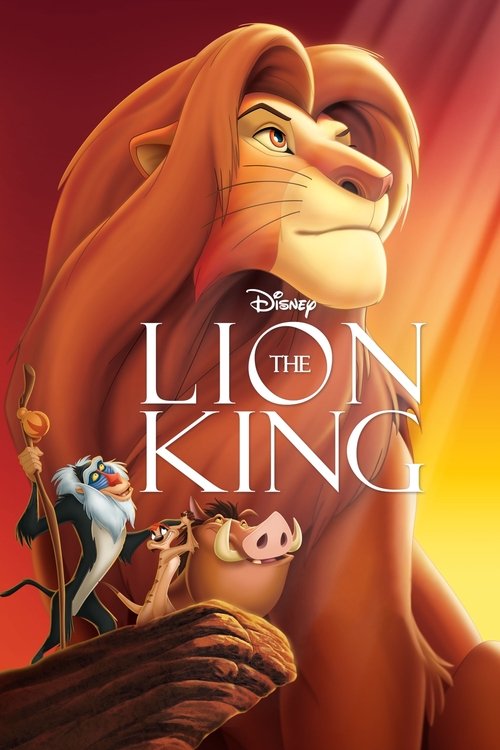
The Lion King
Threshold Analysis
Concerns
- The 'Circle of Life' philosophy reflects pantheistic/animistic spirituality rather than Biblical creation theology
- Mufasa's ghost appearing in the clouds and speaking from beyond the grave — not aligned with Biblical teaching on death and the afterlife
- Rafiki's shaman-like mysticism (rituals, spiritual communication)
- Mufasa's death scene is emotionally intense and potentially frightening for young children — a father murdered by his brother, child manipulated into believing he caused it
- Hyena scenes in the elephant graveyard may frighten very young viewers
Positives
- One of cinema's strongest portrayals of loving, wise, sacrificial fatherhood (Mufasa)
- Clear depiction that evil (jealousy, murder, tyranny) has real consequences
- Simba's journey teaches the importance of accepting responsibility rather than running from it
- The 'hakuna matata' philosophy of avoiding responsibility is shown to have devastating consequences for others
- Themes of courage, loyalty, family bonds, and duty to others
- Villain is clearly portrayed as evil — no moral ambiguity about Scar's wickedness
- Beautiful storytelling, music, and animation that can inspire wonder and meaningful family conversation
Content Flags
Mufasa's death is the most intense scene — he is trampled in a wildebeest stampede after being thrown off a cliff by Scar (shown from a distance but emotionally devastating). Scar is attacked and killed by hyenas at the climax (implied, not graphically shown). Simba and Scar fight with clawing and biting. Hyenas threaten young Simba and Nala in the elephant graveyard. Scar slaps young Simba. A lioness is grabbed by the throat. The violence is not gratuitous but serves the story; however, the stampede/death scene is genuinely frightening and emotionally heavy for young children.
Mufasa's spirit appears in the clouds to speak to Simba, telling him to 'remember who you are.' Rafiki serves as a shaman-like figure who uses mystical rituals (shaking gourds, drawing symbols, seemingly communicating with the spiritual realm). The 'Circle of Life' philosophy is a central worldview element — it is a naturalistic/pantheistic concept rather than a Biblical one, teaching that life is a great circle where all creatures are connected. While not overtly anti-Christian, it reflects an Eastern/animistic spiritual framework rather than a Creator-centered one.
Strong themes of responsibility, courage, and accepting one's calling. Mufasa models wise, loving, sacrificial fatherhood — he teaches Simba about duty, the proper use of power ('being brave doesn't mean you go looking for trouble'), and protecting the weak. Simba's arc is about overcoming guilt and running from responsibility, then choosing to face his past and fulfill his duty. The film portrays the consequences of selfishness and irresponsibility (Simba's 'hakuna matata' exile leads to the Pride Lands' ruin under Scar). Evil (Scar's jealousy, murder, and tyranny) is clearly portrayed as wrong and is defeated. Loyalty, family bonds, and the father-son relationship are deeply honored.
Overview
Young lion prince Simba, eager to one day become king of the Pride Lands, grows up under the watchful eye of his father Mufasa; all the while his villainous uncle Scar conspires to take the throne for himself. Amid betrayal and tragedy, Simba must confront his past and find his rightful place in the Circle of Life.