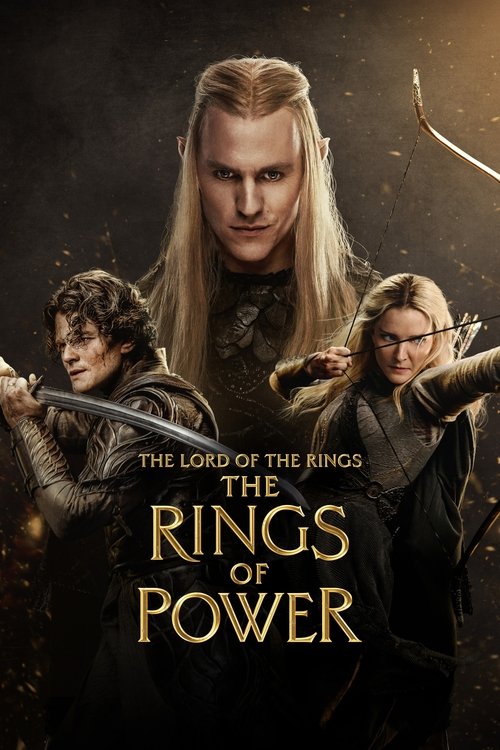
The Lord of the Rings: The Rings of Power
Threshold Analysis
Concerns
- Pervasive fantasy magic used by both good and evil characters — spells, enchantments, elemental powers — presented as exciting and empowering without explicit connection to Tolkien's theological framework
- Sustained and intense battle violence across both seasons, including stabbings, burnings, siege warfare, and monster attacks
- Sauron's seductive deception of Galadriel could be read by younger viewers as a romanticized villain arc rather than a warning about evil's disguises
- Moral ambiguity in protagonist decisions (Galadriel lies, manipulates, and makes ethically questionable choices) without always clear narrative consequences
- Significant departures from Tolkien's source material may undermine the Christian-informed worldview that makes the original works valuable
- Dark cultist characters who worship Sauron — mystic rituals and dark spiritual servitude portrayed
Positives
- Core Tolkien themes of the corruption of power, the seductive nature of evil, and the dangers of pride are faithfully represented
- Sauron's deception effectively illustrates how evil disguises itself as good — resonates with 2 Corinthians 11:14 (Satan as angel of light)
- Strong themes of friendship, loyalty, and sacrificial love, particularly among the Harfoot community and Elrond's storyline
- The series treats faith, providence, and hope with genuine respect rather than cynicism
- The smallness of the Harfoots echoes Biblical themes of God using the humble and weak to accomplish great things (1 Corinthians 1:27)
- No sexual exploitation, no LGBT agenda, no blasphemy — remarkably restrained for a major streaming production
- Marriage and family bonds (Durin and Disa's relationship) are portrayed positively and warmly
- Evil is shown as genuinely evil and ultimately self-destructive — not glamorized or made aspirational
Content Flags
Occasional mild language. Insults and crude expressions consistent with a fantasy setting. No modern profanity or f-words. Rare uses of words like 'damn' or 'hell' in context. Generally restrained dialogue.
Significant battle violence throughout both seasons. Characters are stabbed, slashed, and killed with swords and arrows. Orc creatures are shown being killed in graphic ways. Season 1 features a volcanic eruption (Mount Doom's creation) with people being burned and injured. Season 2 includes extended siege sequences with considerable carnage. Blood is shown but not typically in an excessive or gratuitous manner. Some scenes of torture and intimidation. A character is slowly poisoned over multiple episodes. Werewolf-like creatures attack people. Overall violence level is comparable to Peter Jackson's films — intense but purposeful within the narrative.
A romantic relationship between Elrond and a female character includes mild intimacy. Season 2 features a scene where Sauron (in disguise) and Galadriel share a vision/moment with romantic undertones that some viewers found suggestive. A brief implied intimate moment between a married Númenórean couple. Overall, sexual content is restrained but present.
This is the primary area of concern. The series is set in Tolkien's Middle-earth, which contains a well-developed mythology with its own spiritual cosmology. Magic is used by Elves, wizards, and the Dark Lord Sauron. The Rings of Power themselves are objects of magical empowerment. Sauron uses deception and dark sorcery throughout. A mystic/wizard character (the Stranger, implied to be Gandalf) uses supernatural powers presented as good and heroic. Dark cultists ('the Dweller,' 'the Nomad,' 'the Ascetic') pursue dark mystical arts. Tolkien's magic system is rooted in his Catholic worldview — power comes from a creator God (Eru Ilúvatar), and evil is a corruption of good — but the show does not make this theological framework explicit. On screen, it largely reads as standard fantasy magic: spells, elemental control, enchantment, and dark sorcery.
Characters drink ale and wine in tavern and feast scenes. No drunkenness played for laughs. Herbs are used for healing purposes. No drug use.
Brief partial nudity: a few shirtless male characters. No female nudity. The volcanic eruption sequence in Season 1 shows people in tattered clothing. Generally modest costuming throughout.
Themes of friendship, loyalty, self-sacrifice, and resisting evil temptation are present throughout. Galadriel's arc involves learning humility and the danger of obsessive pursuit of an enemy. The corrupting nature of power is a central theme — consistent with Biblical warnings about pride and idolatry. The Harfoot storyline emphasizes community, caring for the vulnerable, and courage despite weakness. However, some character arcs feel morally muddled — Galadriel makes ethically questionable decisions that aren't always clearly critiqued. Sauron's deception arc effectively portrays how evil disguises itself as good, which has Biblical resonance (2 Corinthians 11:14).
Overview
Beginning in a time of relative peace, we follow an ensemble cast of characters as they confront the re-emergence of evil to Middle-earth. From the darkest depths of the Misty Mountains, to the majestic forests of Lindon, to the breathtaking island kingdom of Númenor, to the furthest reaches of the map, these kingdoms and characters will carve out legacies that live on long after they are gone.