Turning Red
Threshold Analysis
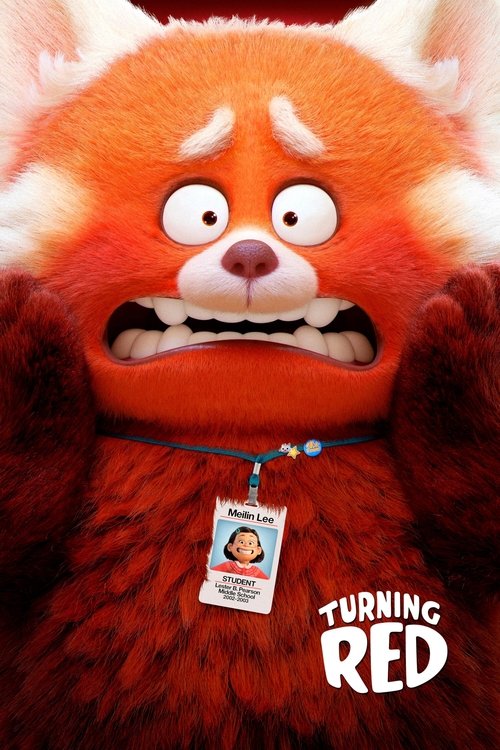
Thirteen-year-old Mei discovers her family carries an ancient curse: intense emotion triggers a transformation into a giant red panda. Framed as a puberty metaphor, the story wrestles with identity, parental expectations, and self-expression — ultimately landing on 'be your authentic self' over honoring family authority. Occult ritual, ancestor worship, and a secular humanist resolution create meaningful concerns for Christian families.
Concerns
- Ancestor worship and a pagan spirit-bargain are presented as normal family heritage.
- Ritual sealing ceremony uses an occult circle to bind a spiritual entity — treated positively.
- Film's moral: defy tradition and 'embrace who you are' above parental or spiritual authority.
- Puberty-as-curse metaphor includes suggestive humor (crush sketches, period references) aimed at young children.
Positives
- Mei's father offers gentle, stabilizing presence and genuine care.
- Friendship is shown as loyal and sacrificial under pressure.
- Mother-daughter reconciliation provides some emotional warmth.
- Film honestly portrays consequences of unchecked emotion and pride.
Content Flags
A handful of minor exclamations and one or two borderline words; nothing approaching profanity but not completely clean either.
Panda transformation scenes involve mild peril and property destruction; a climactic sequence with multiple giant pandas causes significant (though consequence-free) chaos.
Mei secretly sketches a shirtless teen boy she has a crush on. Girls discuss boys with giggly infatuation. The transformation is framed as a puberty/first-period metaphor throughout.
Reports indicate Disney cut several inclusive scenes before release; what remains is at most one brief implied background moment — not a recurring or prominent theme.
The panda curse originates from an ancestor's prayer to pagan gods. A ritual circle is used to permanently seal the panda spirit away. Ancestor veneration and a family temple are central to the plot.
Friendship, loyalty, and some family reconciliation are present, but the film's climax rewards choosing self over family tradition, undercutting its pro-family moments.
Discussion Guide
- Mei keeps secrets from her mom to protect her own feelings — when is it right to be honest with your parents even when it's hard?
- The panda spirit came from a prayer to pagan gods. What does the Bible say about where we should turn when we need protection and strength?
- Mei's friends tell her to 'embrace' every part of herself. How does that compare to what the Bible says about guiding and disciplining our hearts and emotions?
Sign up free to unlock discussion guides for every title.
Get Started FreeOverview
Thirteen-year-old Mei is experiencing the awkwardness of being a teenager with a twist – when she gets too excited, she transforms into a giant red panda.